
Liquid, oil, gel and cream filling
Discuss this requirement as part of your machinery specification.
Machinery
Filling machinery for liquids, gels, oils and similar products, selected around product viscosity, fill volume and target throughput.
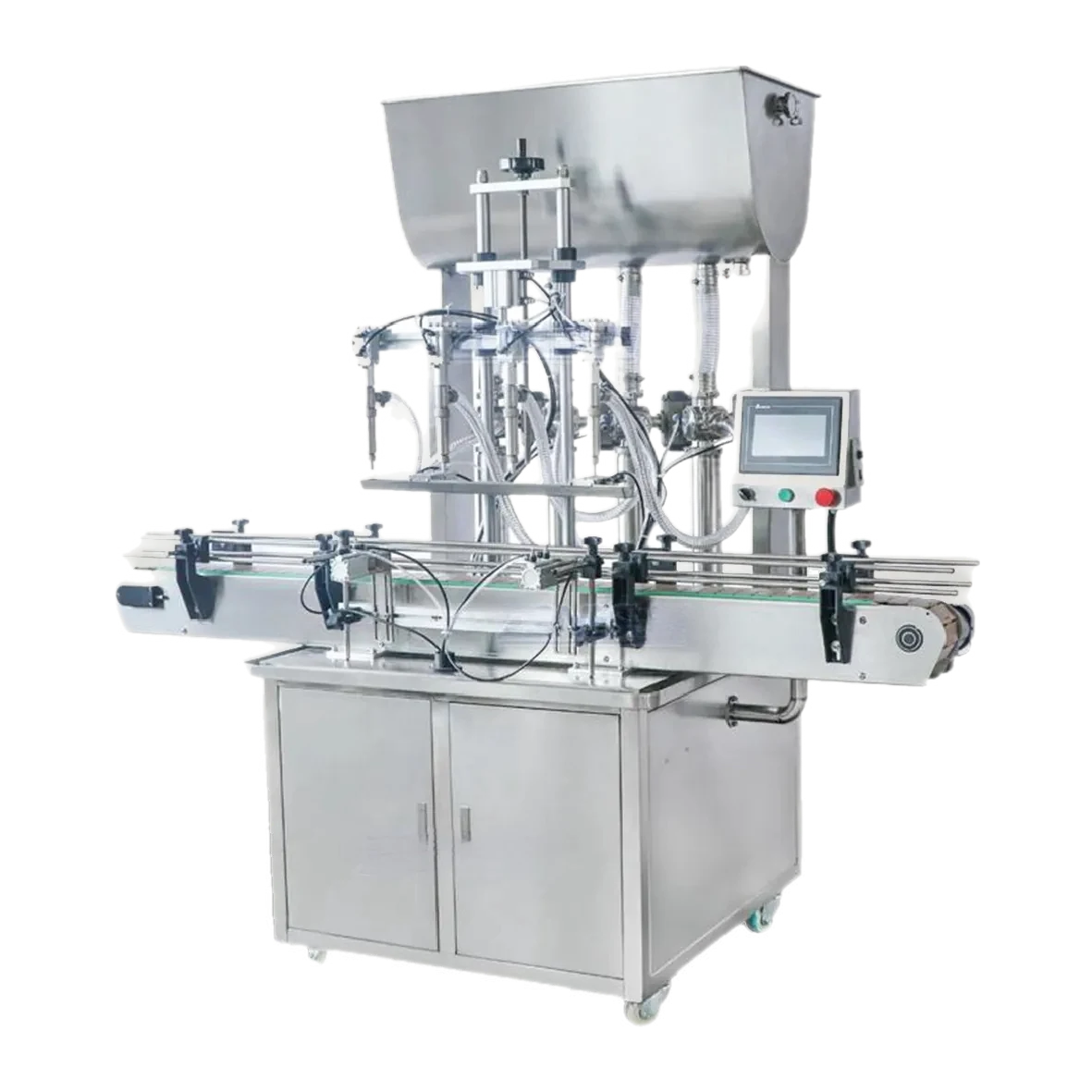
Machinery page
Filling machinery for liquids, gels, oils and similar products, selected around product viscosity, fill volume and target throughput.
Next step
Provide the product, packaging format, current process and the level of automation you want to achieve.
Discuss this requirement as part of your machinery specification.
Discuss this requirement as part of your machinery specification.
Discuss this requirement as part of your machinery specification.
Filling machine selection
The filling principle, product path and level of automation should be chosen from representative product and pack information rather than a generic liquid category.
Viscosity, temperature, foaming, stringing, particles and settling can change how a product moves through a tank, pump, hose and nozzle. Product behaviour at the intended operating temperature should be considered.
Define the minimum and maximum quantity, the normal production setting and how the result will be checked. The trial method should reflect the real product, container and operating cycle.
Opening size, neck position, base stability, height variation and the way empty containers are loaded affect nozzle alignment, guarding and transfer to the next stage.
A filling cycle normally depends on controlled product supply, repeat container positioning, a defined dispense action and a clean release from the nozzle. The best arrangement varies with the product and may use time, volume, pump movement, weight or another measured principle. Selection should focus on the behaviour of the actual product and the acceptance method, not on a headline output figure alone.
Semi-automatic machinery can be useful where an operator presents each pack, starts the cycle and removes the filled container. Automatic machinery adds container infeed, indexing, sensing and transfer, so it requires a stable container and a reliable relationship with upstream and downstream equipment. Where filling is connected to capping and labelling, line balance and accumulation should be considered from the outset.
Changeover planning should cover product-contact parts, retained product, hose and nozzle access, adjustment points and the risk of mixing one product with the next. If fill quantities or containers vary widely, the project should identify which changes are routine and which may need separate tooling or a different setup. Cleaning expectations must be discussed before the product path is finalised.
A single filling arrangement may not be appropriate where products have materially different flow, compatibility or cleaning requirements. Very small quantities, powders, carbonated products or packs with unusual openings may also require a different specialist principle. These boundaries should be identified during sample review rather than assumed.
For model-level filling machinery options, see the Lancing filling machinery range. Use this page for category selection and send the application details through the machinery enquiry form.
Buyer questions
These answers set out the information needed for a useful first review without assuming an unverified machine specification.
Provide the product, operating temperature, viscosity or flow behaviour, fill range, container opening, target production pattern, cleaning method and the way an acceptable fill will be measured.
Consider sustained demand, available operators, batch size, changeover frequency, container feeding and whether the filler must connect directly to capping or labelling. The correct level of automation is application-specific.
It may be possible when the products, fill ranges and contact requirements are compatible. The review should address retained product, cleaning, cross-contamination risk, hose and nozzle changes and the settings needed for each product.
Use representative product and containers under defined conditions. Agree the measurement method, trial duration, start-up allowance and how results will be recorded before treating any performance figure as meaningful.
Yes, where container transfer, line speed, accumulation, sensors and controls are planned as a system. The complete line should be assessed at the slowest practical stage rather than by adding isolated machine ratings.
Supply representative product plus the normal, smallest, largest and most difficult containers. Include closures and labels when the filler will be integrated with later packaging stages.
Filling duty review
A useful filling specification covers product supply, the dispense action, container presentation, result verification and recovery after normal interruptions.
State how product reaches the filler, whether it is mixed or recirculated, and how its temperature or condition changes during a batch. A stable supply can be as important as the measuring action itself.
The nozzle must enter or align with the opening without marking the pack or creating splashing. Opening diameter, neck position, fill level and required cut-off behaviour should be considered together.
Define what is being controlled and how production checks will be made. The selected verification method should distinguish normal process variation from container or product variation.
A filler may dispense consistently during a short test yet perform differently when product supply changes, containers arrive unevenly or an operator pauses the cycle. The project brief should therefore describe the complete operating pattern: start-up, normal running, replenishment, short stops, end of batch and product change. This exposes where retained product, air, pressure changes or temperature movement may affect the next dispense.
For automatic liquid filling machines, container detection and indexing should prevent a dispense when the pack is absent or incorrectly positioned. The line response after a blocked discharge should also be defined so filled open containers do not remain uncontrolled before closure application. Where a code or label is applied downstream, sufficient product handling and accumulation may be needed to protect the filling cycle from minor stops.
A changeover method should identify which settings, nozzles, guides, hoses or product-contact parts are adjusted or replaced and how the new setup is confirmed. The first containers after a change or interruption should have a defined check before normal production resumes. This is particularly important where one filler handles products with different flow behaviour or pack openings.
Cleaning requirements should be described as an operating duty rather than a general preference. State which product-contact areas need access, how residues are removed, how drained product is handled and what evidence shows that the next product can start. Where product families are incompatible, a separate path or another filling approach may be more practical than one universal configuration.
Use the packaging line project brief to record the operating states and sample set, then include the intended coding or identification stage if the filled pack moves directly into a connected line.
Filling project resources
Use the guides below to define the operator boundary, connected equipment, changeover method and test evidence without relying on an isolated fill-cycle claim.
Compare manual container presentation, semi-automatic dosing and connected automatic filling.
Define product-contact parts, retained product, disassembly, line clearance and first-off release.
Record product condition, supply, nozzle state, container position, recipe and restart result before changing settings.
Filling questions
Filling method, product supply and container behaviour must be considered together.
The suitable filling machine type depends on how the product flows, whether it foams or contains particles, the required dose range, container opening, product supply, clean-down method and production pattern. Thin free-flowing liquids, viscous creams and products with suspended solids may require different measuring and nozzle arrangements.
No single method is best for every liquid. Use the filling machine types comparison to understand the main decision boundaries, then verify the recommendation with representative product and containers.
Inconsistent fills can come from unstable product supply, air in the product path, temperature or viscosity change, worn or incorrectly set components, variable container presentation, foaming, dripping or an unsuitable measuring principle. The pattern of the error is often more useful than the average result.
Record whether the error follows restart, replenishment, warm-up, speed change or a particular nozzle. The filling troubleshooting guide sets out a safe diagnostic sequence.
Liquid filling speed is determined by the time needed to present and stabilise the container, deliver the required dose without unacceptable foam or splash, allow the nozzle to finish cleanly and transfer the pack to the next stage. Product supply and downstream capacity can govern output as much as the filling head.
A credible assessment therefore uses the real product, fill quantity, container and operating condition. A headline cycle rate without those conditions does not establish sustained line output.
Provide representative product at the intended operating condition, empty containers covering the normal and difficult formats, closures where they affect headspace or handling, and enough material to observe start-up, stable running and restart. Include drawings and the required fill assessment method.
Product supplied at an unrepresentative temperature or consistency can lead to the wrong conclusion. Prepare the trial with the sample and acceptance checklist.
Pack interface
Fill consistency depends on the product, measurement method, nozzle behaviour, product supply and repeatable container presentation.
A container drawing does not show every production behaviour. Lightweight packs can lean or distort, neck positions can vary and foam or dripping can change the usable filling sequence. Provide filled and empty samples, product condition, fill range and the accepted finished result.
The pack component specification guide explains the bottle evidence needed for nozzle, guide and sensor design. Where several machine technologies are credible, use the filling method comparison before fixing the URS.
The container datum matters because the filler must position the opening reliably under the nozzle without relying on an unstable or highly variable surface. The base, body, neck or a controlled fixture may provide the reference.
Trials should include normal component variation and the operating condition that affects stability.
One liquid filler can handle different bottle shapes when the conveyor, guides, spacing, nozzle positions and recipe or change parts cover the required formats. Provide every format early. A wide difference in neck position, stability or opening may require dedicated tooling or a different arrangement.
Product-specific filling
The word filling covers materially different processes. Dry powder dosing, positive-displacement filling of pastes and feeding product into a sachet or VFFS bag need different product paths, shut-off controls, cleaning methods and acceptance evidence.
| Application | Relevant guide | Critical question |
|---|---|---|
| Fine, cohesive or free-flowing dry products | Powder filling machines | How do bulk density, aeration, dust and hopper condition affect the dose? |
| Creams, gels, sauces, adhesives and pastes | Viscous and paste filling machines | How do temperature, particulates, stringing and product supply affect the nozzle? |
| Portioned small flexible packs | Sachet packing machines | Can the product enter without contaminating the narrow seal zone? |
| Roll-film bags | Vertical form fill seal machines | Can dosing, film movement and sealing remain synchronised at sustained output? |
Send the most difficult product and pack combination rather than a convenient substitute. The sample should represent production temperature, particulates, bulk condition and component variation so the trial can expose the real dosing and cleaning constraints.