
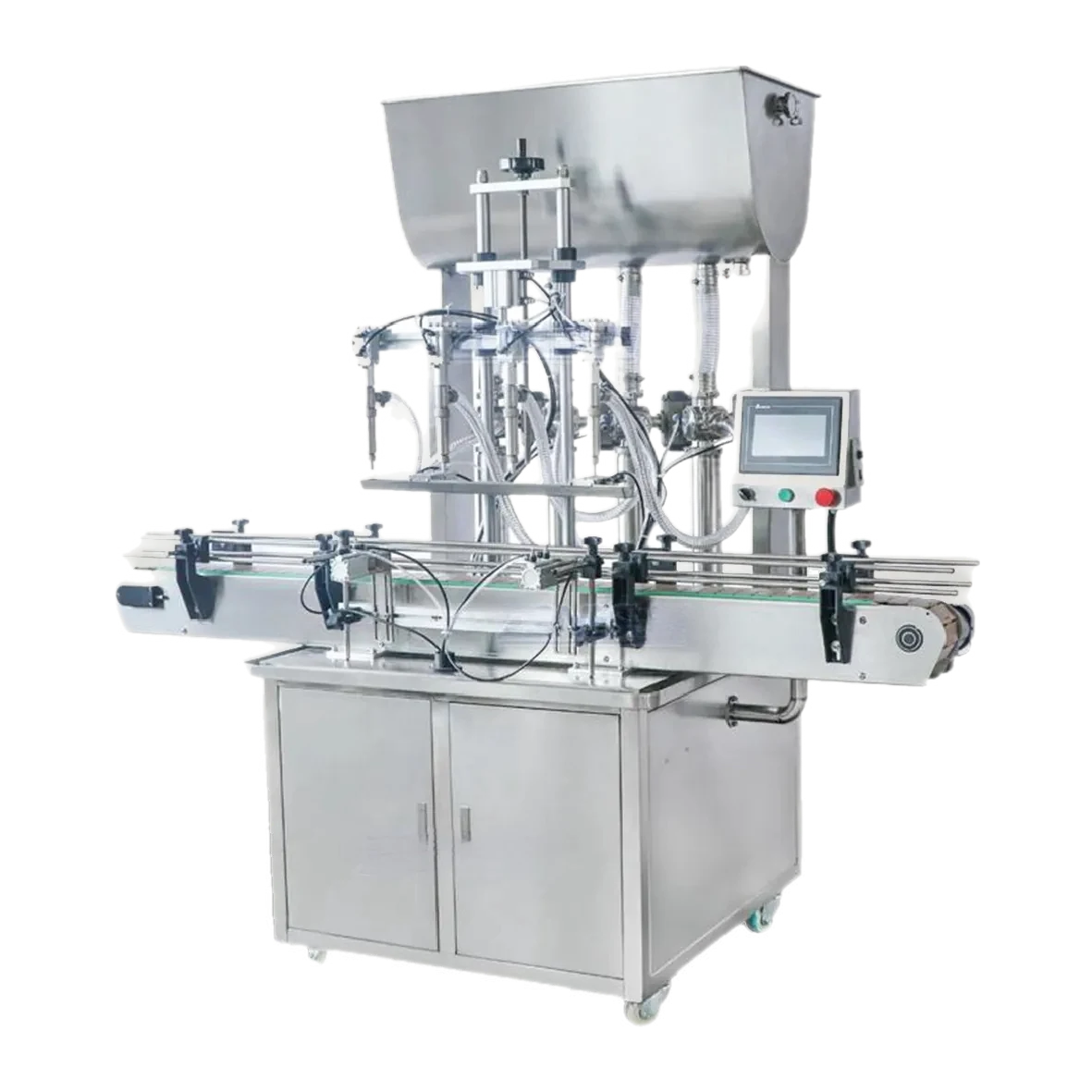
Filling Machines
Filling machinery for liquids, gels, oils and similar products, selected around product viscosity, fill volume and target throughput.
Open pageProducts
Local product pages for filling, capping, labelling and end-of-line packaging machinery.
Filling machinery for liquids, gels, oils and similar products, selected around product viscosity, fill volume and target throughput.
Open page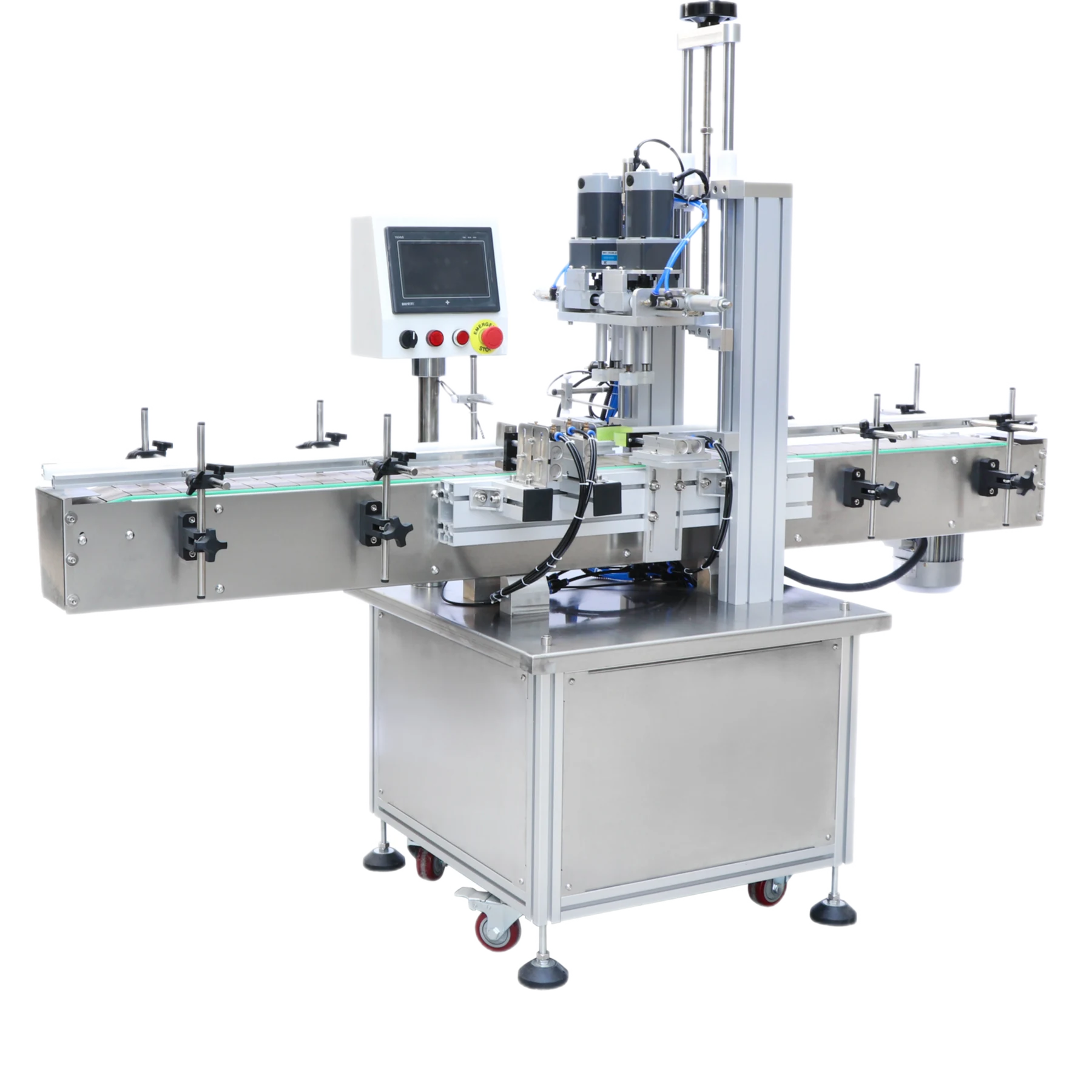
Capping machinery for tightening and applying closures consistently across repetitive packing operations.
Open page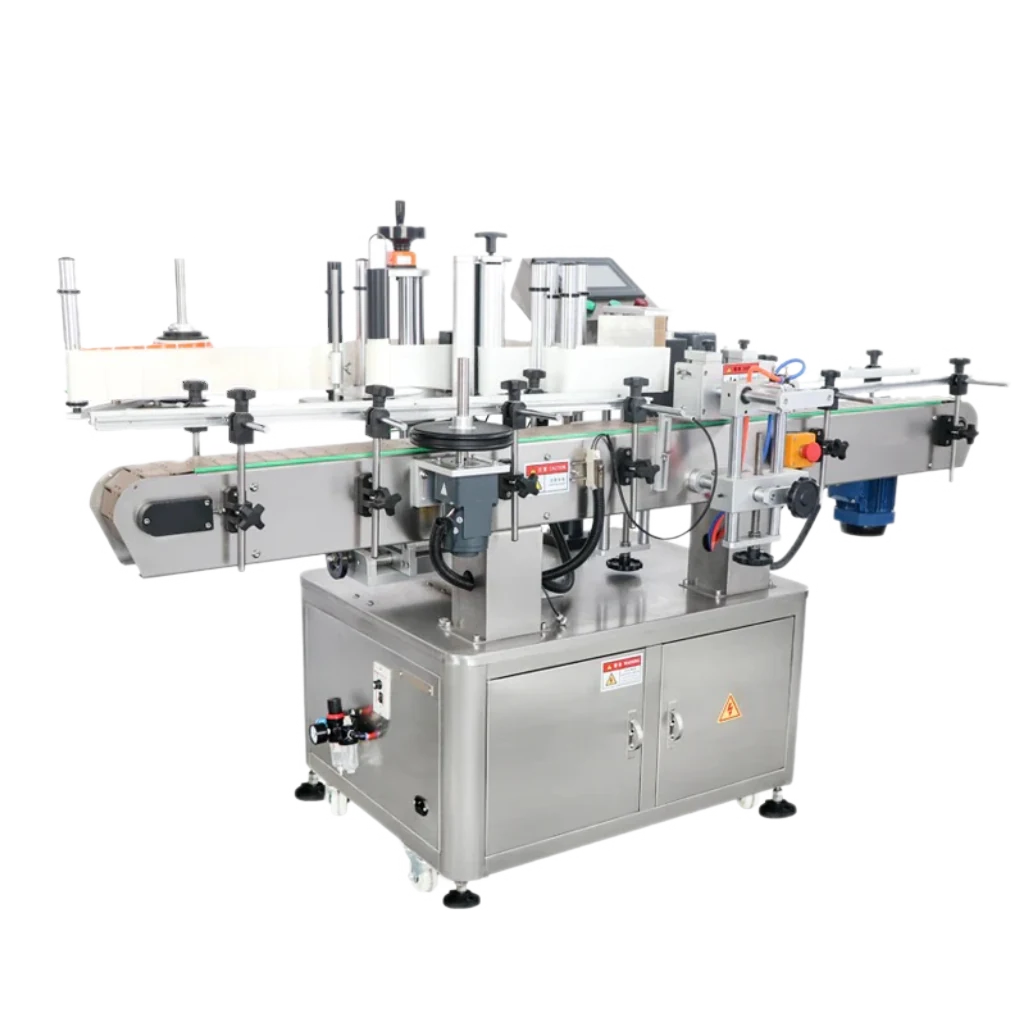
Labelling machinery for applying labels cleanly and consistently to bottles, jars, tubs and other packaged goods.
Open pageShrink wrapping and heat tunnel options for grouped products, presentation packs and end-of-line packaging.
Open pageHandling, transfer and conveyor equipment to connect filling, capping, labelling and packing stages.
Open pageDate, batch and product coding support for packaged goods and production traceability.
Open pageEnd-of-line machinery options for final packing, wrapping, coding, handling and dispatch preparation.
Open pageAdditional machinery
Support is available for standalone machinery or joined-up line requirements across filling, capping, labelling, handling and end-of-line packaging.
Practical options for one packaging task at a time, often a strong fit for small batches or limited floor space.
Machinery can be selected to connect filling, closure application, labelling, coding and end-of-line packing stages.
Process first
For the most accurate recommendation, provide the product viscosity, fill volume, container type, cap style, label size and desired packs per minute.
Selection guidance
Compare the complete packaging process before deciding whether the best answer is one standalone machine, several linked stages or a phased route to automation.
Match the filling principle to product flow, fill range, container opening, clean-down needs and the way the result will be verified. Start with the filling machinery guide.
Consider how closures are presented, placed and tightened, together with bottle stability and the required finished condition. Review capping machinery.
Confirm label construction, roll format, container geometry, application position and any batch or date information. Compare labelling and coding.
Conveyors, accumulation, shrink wrapping, case sealing and end-of-line handling determine how products move and leave the production area. Review end-of-line equipment.
A standalone machine is often appropriate when batches are varied, operators are available and the main objective is to remove one repetitive or inconsistent task. It can also be easier to position in an existing room and may allow manual quality checks between stages.
A connected line becomes more useful when the process needs controlled container flow from filling through capping, labelling, coding and final packing. In that case the specification must include line balance, transfer, accumulation, sensor positions, controls and safe operator access. The nominal capability of each machine is less important than the sustained output of the complete process with the actual product and pack.
Provide representative samples and a clear list of formats. Note which format is the normal production pack and which examples are difficult because they are small, tall, unstable, tapered, flexible or fitted with an unusual closure. Explain the current process, the problem being solved and the acceptance checks that matter to your production team.
For model-level catalogue options, the Lancing packaging machinery range provides a wider product reference. For current installation, commissioning, training and service information, use the Lancing machinery services page.
System comparison
The correct category becomes clearer when the product-contact task, pack handling task and information task are separated before individual equipment is compared.
Filling and dosing equipment controls how product is supplied, measured and released into the pack. Product behaviour, cleaning and the required check method should lead this part of the specification.
Conveyors, guides, indexing and closure machinery control container position and movement. Empty and filled pack stability should be reviewed because the same container can behave differently at each stage.
Labelling, coding, wrapping and case work depend on the finished pack, the required data and how products leave production. Their location should support inspection and downstream handling.
A machinery comparison should state where the duty begins and ends. For example, a filling machine may receive containers manually or from an infeed; a capping machine may tighten manually placed caps or include automatic closure presentation; a labeller may apply pre-printed labels or receive variable information from a coding system. These are materially different project scopes even when the category name is the same.
Define the incoming condition, the work performed and the required outgoing condition for every stage. This reveals missing tasks such as container separation, cap orientation, label web preparation, code verification, accumulation or removal of non-conforming packs. It also prevents two suppliers or configurations being compared against different assumptions.
Standalone packaging automation equipment can solve an immediate constraint while retaining manual transfer. Where later connection is likely, record the intended line direction, working height, container spacing, control interfaces and access envelope. The first machine should not occupy the only practical route for a future conveyor or operator position.
Use the category pages for liquid filling machinery, closure automation, label application, coding and marking and end-of-line equipment. The selection guide provides a common method for comparing them.
Project planning
Move from a machinery category to a defined task, integration boundary, site plan and acceptance method.
Compare manual, semi-automatic and automatic operation around actual operator tasks and format changes.
Compare optionsDefine conveyor transfers, machine states, accumulation, controls and recovery between equipment stages.
Read the integration guideList included formats, automatic feeding, controls, testing, installation, training and spares.
Review cost factorsSelection questions
Use the whole packaging process, not an isolated machine description, to compare options.
Choose the category from the physical task and the required outgoing pack condition. Filling controls product quantity, capping places or tightens a closure, labelling applies identification, conveyors transfer packs, and end-of-line machinery groups or closes the secondary pack. Several stages may be needed, but each should have a defined boundary.
Describe what arrives at the machine, what it must do and what must leave it. That prevents a request for one machine from hiding an unresolved feeding, transfer, inspection or packing requirement.
Compare each option against the same products, components, batch pattern, operator duties, changeovers, cleaning method, footprint, utilities and acceptance checks. A feature list is not a fair comparison when one quotation includes feeding, controls and testing while another assumes those tasks remain manual.
The supplier-question checklist provides a consistent way to expose inclusions, exclusions and evidence before an order is placed.
Two technologies may be justified when the range contains materially different product behaviour, containers, closures or labels that cannot be handled well by one mechanism. Trying to make one machine cover incompatible duties can increase changeover complexity and reduce reliability on the difficult formats.
Group the range into genuine component families, then test the boundary formats. A common base machine with format parts may be appropriate; in other cases, separate machines or processes provide the clearer production method.
Samples reveal physical behaviour that a description or drawing may not show: product flow, container stability, thread quality, cap stiffness, label release, surface decoration and pack-to-pack variation. They allow the proposed handling method and test criteria to be based on the actual application.
Samples should represent normal production and the difficult limits of the range. The packaging machine sample-trial guide explains how to prepare them.
Architecture decisions
The same filling, capping and labelling tasks can be arranged in different ways, and the layout changes flexibility, access, control and project risk.
Use the inline versus rotary guide to compare container control, format change, footprint and integration. Use the monobloc versus separate-machine guide to decide whether closely linked operations should share one platform or remain modular.
Whichever architecture is proposed, compare the same scope: component feeding, conveyors, guarding, controls, inspection, reject handling, change parts, testing, installation, training and spares. A lower central machine price can conceal missing line responsibilities.
Filling, capping and labelling equipment should be combined when shared pack control and one coordinated platform provide a clear benefit for the agreed formats and operating method. Separate machines can be more flexible when processes change independently or existing equipment must be retained.
Compare the actual design and interfaces rather than assuming one arrangement is always better.
An automated packaging line needs only the machines and handling functions required to complete the defined production task and quality checks. Some operations may remain manual, while others can share a platform. Map each input, transformation, inspection and output before deciding the equipment count.
Expanded equipment coverage
The correct equipment category becomes clearer when the product, pack and production step are defined together. Use these specialist routes where a broad filling, capping or handling category does not describe the application closely enough.