
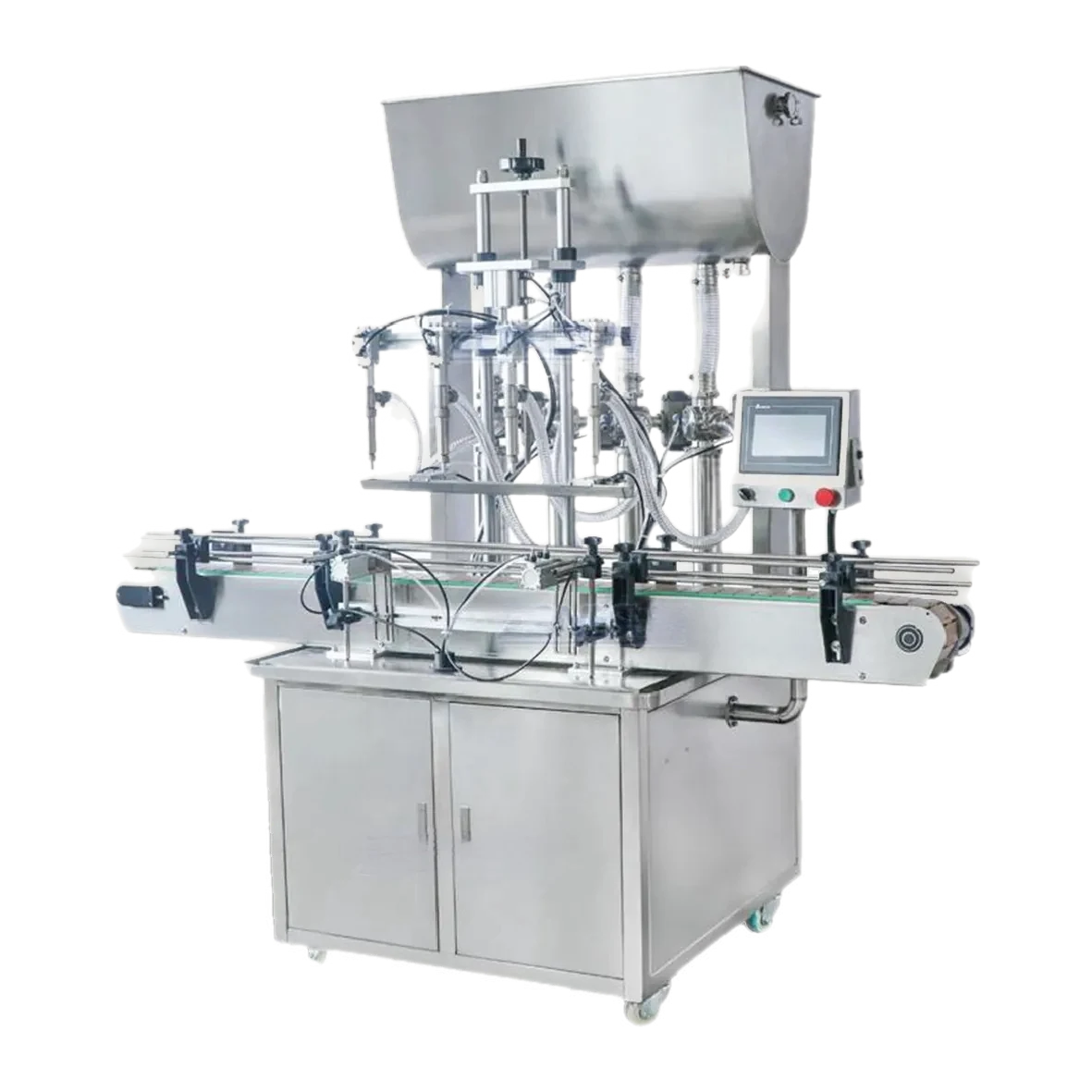
Filling Machines
Filling machinery for liquids, gels, oils and similar products, selected around product viscosity, fill volume and target throughput.
View filling machinesFilling • capping • labelling
Practical machinery for liquid filling, closure application, labelling and end-of-line packing.
Product range
Start with the production stage you need to improve: filling, closure application, labelling or downstream handling. Compare the machinery categories against your product, pack range and the equipment that must connect to the new machine.
Filling machinery for liquids, gels, oils and similar products, selected around product viscosity, fill volume and target throughput.
View filling machines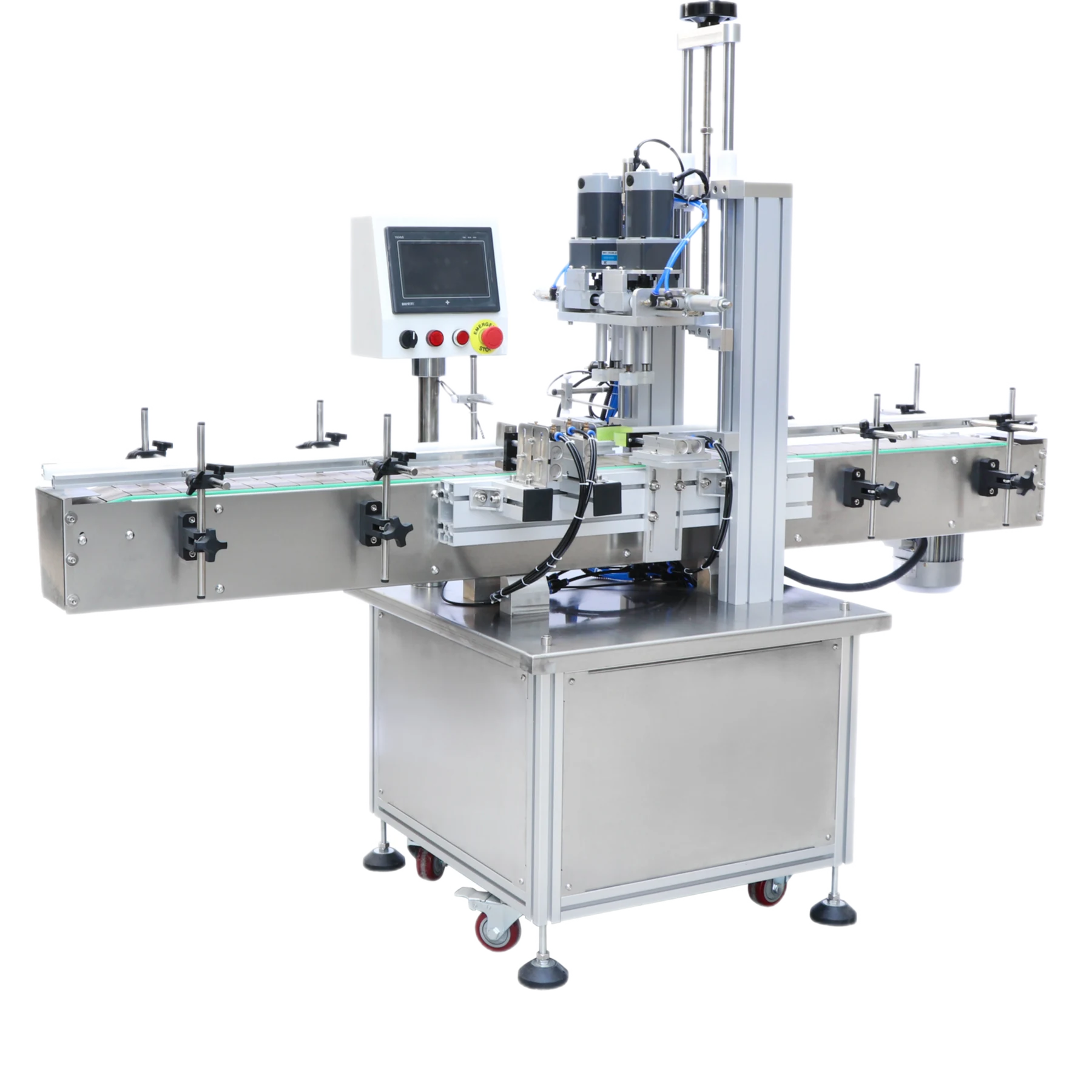
Capping machinery for tightening and applying closures consistently across repetitive packing operations.
View capping machines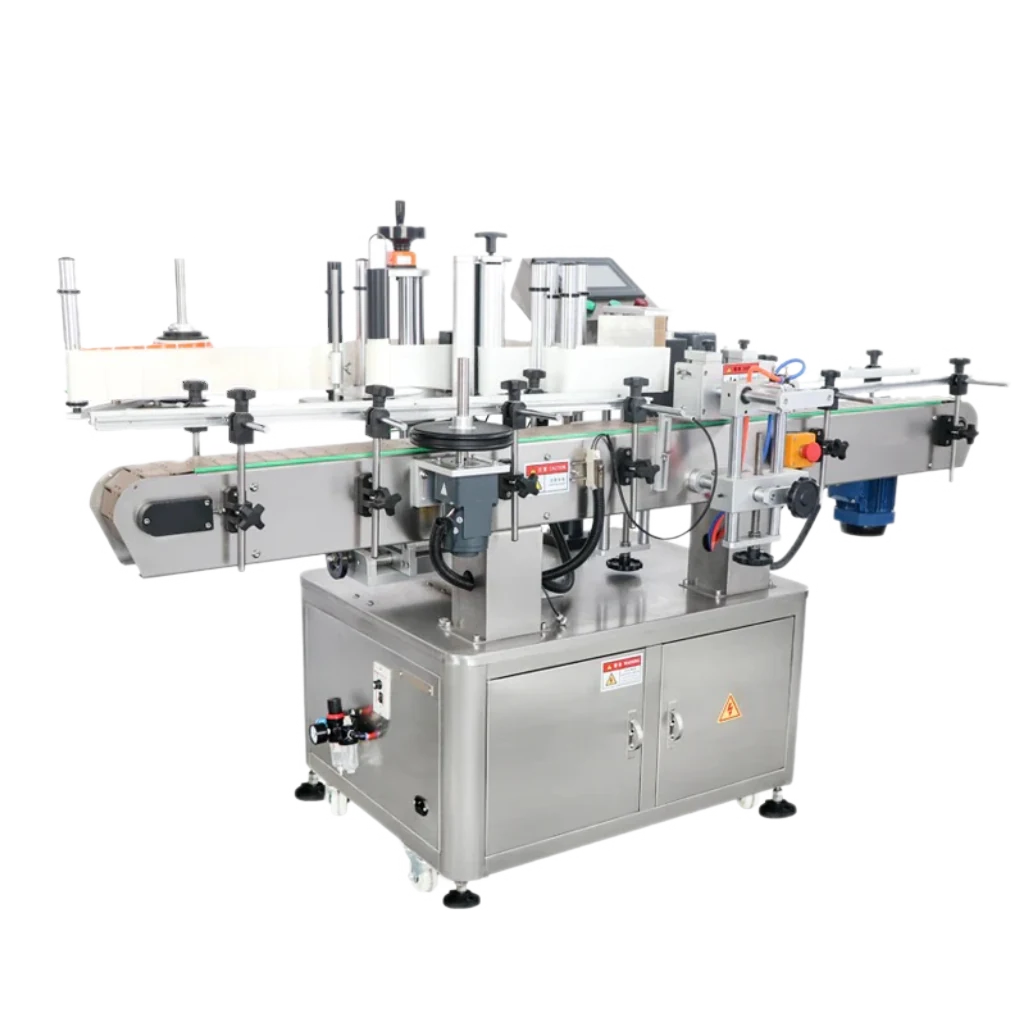
Labelling machinery for applying labels cleanly and consistently to bottles, jars, tubs and other packaged goods.
View labelling machinesSupport
Recommendations are shaped around your product, pack format, floor space, closure, label and desired output.
Industries
Dedicated static industry pages have been added for liquid, technical and consumer product operations.
Filling, capping and labelling workflows for small-format bottles and repeat batch production.
View industry pageCompact filling, capping and labelling machinery for oils, tinctures and similar bottled products.
View industry pageMachinery support for oils, additives, cleaners and other automotive liquids.
View industry pagePackaging equipment for bottling, capping, labelling and presentation requirements.
View industry pageFilling, capping and labelling machinery for sauces, drinks, syrups, oils and similar products.
View industry pagePacking support for creams, gels, lotions, shampoos, fragrances and personal care containers.
View industry pageOn-site support
Discuss the product, container, cap, label and target output so the machinery recommendation is based on the way your line actually works.
Machinery automation planning
A practical automation project starts with the product, pack and production method, then selects machinery that can operate reliably as a complete workflow.
Product behaviour, fill quantity, container dimensions, closure type and label construction determine which machinery principles are suitable. A machine should be selected around representative samples rather than a category name alone.
Semi-automatic equipment can reduce repetitive work while retaining operator control. Automatic machinery becomes more relevant when container feeding, repeat output and consistent transfer between stages justify a connected process.
A filler, capper and labeller must exchange containers without creating instability or queues. Conveyor speed, spacing, accumulation, sensors and control handshakes need to be considered as part of the packaging process.
Machinery automation is most effective when it solves a defined production constraint. That may be inconsistent manual filling, difficult closure application, variable label position, excessive handling or a bottleneck at the end of the line. The first step is to document the current method and identify where quality, labour or throughput is being lost.
For a standalone requirement, the specification can focus on one controlled task and the way an operator loads and unloads the machine. For a connected line, the review must also cover container presentation, transfer height, line direction, accumulation, reject handling and the relationship between the slowest and fastest stages. This helps avoid buying individual machines that work separately but do not operate well together.
The core pages for filling machines, capping machines and labelling machines explain the main selection variables. The wider packaging machinery range covers conveyors, coding, shrink wrapping, case sealing and end-of-line equipment.
Representative product, containers, closures and labels allow practical risks to be identified before a final configuration is agreed. Where more than one format is required, the smallest, largest and most difficult examples are useful. A project brief should also define how fill result, closure quality, label placement and sustained line operation will be assessed.
Automation scope
Automated packaging machinery should be planned around a defined production outcome, the real pack components and the work that remains with operators.
Start with the problem to remove: variable filling, difficult cap application, inconsistent label position, repeated handling or an end-of-line bottleneck. A clear outcome gives every machine and acceptance check a purpose.
Record who loads empty packs, replenishes product and components, removes rejects, checks quality and clears normal stops. This prevents an automatic machine being specified without the surrounding operating method.
Changeovers, cleaning, replenishment, sample checks and minor interruptions affect sustained output. The automation plan should show how the line pauses, recovers and returns to the correct product and pack format.
A useful first step is to map the present process from product supply to finished pack. Record where containers wait, where operators repeat the same motion and where quality varies. The strongest first automation project is normally the one that removes a measured constraint while leaving a clear, manageable process on either side.
Phased machinery automation can begin with a standalone filling, capping or labelling stage. The layout should still preserve sensible working heights, transfer direction and space for later conveyor and handling connections. A phased purchase is most useful when the future interfaces are considered before the first machine is positioned.
Full packaging automation becomes more appropriate when pack formats are sufficiently stable, component supply is repeatable and the production objective depends on controlled flow between stages. Automating an unstable manual method without resolving product, container or component variation can move the problem rather than remove it.
Each stage should have a defined response to a missing container, blocked discharge, unavailable downstream machine and operator stop. The project does not need to assume one control architecture at the enquiry stage, but it should state which machines exchange status signals, where accumulation is expected and which operations must remain possible in manual or independent mode.
The packaging machinery selection guide helps compare the process options, while the project brief provides a structure for samples, layout, interfaces and acceptance checks.
Technical guidance
Use these practical resources to compare automation levels, define machine interfaces, prepare the site and agree the evidence needed before production acceptance.
Start with the complete guide library for machinery selection, integration, implementation and operation.
Define product transfer, accumulation, controls, utilities and recovery between filling, capping, labelling and end-of-line equipment.
Compare operator responsibilities, flexibility, feeding, changeover and sustained line flow.
Understand how application scope, format range, controls, testing and project delivery change a machinery quotation.
Separate the functions proved before dispatch from site-dependent installation and production acceptance.
Collect access, layout, utility, interface and installation information before equipment arrives.
Buyer questions
Direct answers to the early questions that shape a filling, capping, labelling or connected packaging project.
Packaging machinery automation uses controlled equipment to perform and connect repeatable packing tasks such as filling, capping, labelling, coding, conveying and end-of-line handling. The correct scope is the smallest dependable system that removes the measured production constraint while keeping product, pack and operator requirements under control.
Automation can be a single assisted workstation, a standalone automatic machine or a connected line. The choice depends on product behaviour, pack consistency, batch pattern, changeover frequency, available operators and the interfaces with existing equipment. Start with the current process rather than an assumed machine type.
Automate the stage that creates the clearest measurable constraint, quality risk or repetitive handling burden, provided the incoming product and outgoing pack are stable enough for machinery. A fast filler will not solve a line limited by manual cap placement, unstable containers or slow label inspection.
Map the process from empty pack to finished unit and record waiting, rework, operator intervention and normal stops. The packaging line output guide explains how to identify the governing stage without relying on a headline machine speed.
A standalone machine is often suitable when one task is the main constraint and operators can present and remove packs consistently. A connected line becomes more suitable when controlled transfer, accumulation, component feeding and coordinated stop-and-start behaviour are essential to sustained production.
The decision should include the retained manual duties, not only the automated functions. Future line direction, working height and control interfaces can still be allowed for when a project begins with one machine. See the automation-level comparison for the practical trade-offs.
A useful machinery enquiry identifies the product, container or pack, closure, label or film, format range, current method, target operating pattern, available space, utilities and any equipment that must connect to the new machine. Representative samples and drawings reduce the number of assumptions.
Include the most difficult format, not only the normal one, and describe how finished quality will be checked. Use the sample-trial guide and project brief to prepare a focused discussion.
Project evidence
The fastest useful review starts with controlled information about the product, pack, current method and required result rather than a machine name alone.
A complete enquiry connects the production task with the physical pack. Record the product behaviour, bottle or container, closure, label, case or pallet format, normal operating pattern and the point at which finished quality is checked. This lets filling, capping, labelling, conveying, coding and inspection be considered as one system rather than unrelated purchases.
Use the packaging machine URS guide when several teams need one controlled requirement. The bottle, cap and label specification guide identifies the drawings, tolerances and samples that support practical machinery selection.
A packaging automation project is the coordinated design of machinery, handling, controls and operator work needed to produce an agreed pack result. It may involve one semi-automatic machine or a connected line. The project scope should define interfaces, samples, acceptance and the manual tasks that remain.
A packaging automation project should start with the product, pack, production duty and quality requirement before selecting a machine architecture. That evidence reveals whether the priority is filling, closure application, labelling, handling, inspection, end-of-line work or a combination of processes.
Specialist machinery routes
A packaging line may need more than a general filler, capper or labeller. The specialist machinery routes below connect dry products, viscous products, flexible packs, empty-container preparation and closure-specific processes with the wider LANCING automation range.
| Production task | Specialist equipment guidance | Evidence to prepare |
|---|---|---|
| Fill powders, creams or pastes | Powder filling machines and viscous and paste fillers. | Representative product, dose range, container and cleaning requirement. |
| Make flexible packs | Sachet packing, VFFS bagging and horizontal flow wrapping. | Final film, artwork repeat, product and finished-pack definition. |
| Prepare empty bottles | Bottle unscrambling and bottle rinsing. | Full bottle range, incoming condition, required orientation and cleaning objective. |
| Apply specialist closures or seals | ROPP capping, trigger and pump capping and induction foil sealing. | Final bottle, cap, liner or dispenser components and accepted finished-pack checks. |
Identify the operation that limits production and record the product, pack and operator sequence around it. Define a measurable finished-pack target, then compare machinery changes with improvements to feeding, transfers and changeover. A useful proposal states the complete scope and the trial evidence needed to confirm the expected result.
Related guidance:
Start with the production operation you want to improve and describe its current input and required output. For filling, capping, labelling or downstream packing, identify the product and pack range, the operator activities and the equipment that must connect to the proposed machine.
Build the enquiry around a clear boundary of supply. Ask who is responsible for infeed, discharge, controls, change parts and acceptance testing, particularly when an existing machine or another supplier is involved. A collection of suitable individual machines still needs an agreed method of working together.
Use a shared requirement and evidence record as the project develops. Keep confirmed information, assumptions and open decisions distinct, and identify the revision of the product or packaging samples used for a demonstration. When the proposed arrangement changes, update both the scope and the acceptance checks so the final decision refers to the equipment actually being offered.
Agree the product-and-pack requirement, the work included and the acceptance boundary. Identify assumptions and excluded interfaces so differences between proposals are visible rather than hidden in a machine description.